When your future depends on the details, every decision matters.
With us, your in good hands.

A refusal does not always end an immigration case. Many people still have a real path forward through an immigration appeal, a sponsorship appeal, a residency obligation appeal, or related Federal Court review. The key is speed, strategy, and evidence. At YS Canada Visa Services, we help clients challenge refusals, organize stronger records, and present persuasive arguments before the Immigration Appeal Division and beyond. If Immigration Canada refused your case, now is the time to act. Call our office to book a consultation and let us assess your next step.
Key deadlines at a glance
| Sponsorship appeal | Removal order appeal | Residency obligation appeal |
| 30 days | 30 days | 60 days |
An immigration appeal is a legal process that asks a tribunal or court to review a negative immigration decision. In Canada, many appeal matters go to the Immigration Appeal Division, often called the IAD, of the Immigration and Refugee Board. Depending on the refusal, an applicant, sponsor, or permanent resident may challenge a sponsorship refusal, a residency obligation decision, or a removal order. Some matters do not go to the IAD and instead proceed by judicial review in Federal Court. A strong legal assessment at the start matters because deadlines are short and the correct remedy depends on the exact refusal.
Canadian immigration appeal work can involve family class sponsorship appeals, permanent resident residency appeals, removal order appeals, admissibility-related matters, and Federal Court judicial reviews. Sponsorship appeals commonly arise after IRCC refuses a spouse, partner, parent, or other eligible family class application. Residency obligation appeals often involve permanent residents who spent too much time outside Canada and need to preserve status through compelling humanitarian and compassionate factors. Removal order appeals usually focus on law, fairness, credibility, rehabilitation, establishment, and the consequences of removal. Judicial review becomes important when no full appeal right exists but the officer made an unreasonable or unfair decision.
As of March 2026, there is no government filing fee to start an Immigration Appeal Division appeal. That makes early legal advice even more valuable because the real cost comes from losing time, missing deadlines, or presenting a weak record. By contrast, a Federal Court citizenship, immigration, or refugee application for leave carries a $50 filing fee. Appeal deadlines differ by category. Sponsorship appeals generally must reach the IAD within 30 days of the refusal. Removal order appeals generally carry a 30-day deadline. Residency obligation appeals generally carry a 60-day deadline from receiving the refusal in writing. Those deadlines are strict, and late filings can destroy an otherwise winnable case.
| IAD appeal filing fee $0 | Federal Court leave filing fee $50 |
| Sponsorship / removal order deadline 30 days | Residency obligation deadline 60 days |
The process usually starts with a Notice of Appeal. After the appeal opens, the Minister or tribunal prepares the appeal record. Sponsorship and residency obligation appeal records generally follow a 60-day timetable, while removal order matters follow a 30-day timetable under the current rules. Some files move toward informal resolution or ADR. Others proceed to a full hearing where documents, witness testimony, legal submissions, and credibility findings shape the result. In some cases, a decision may be given orally at the hearing. In other matters, the member reserves the decision and issues written reasons later.
Immigration refusals usually happen because the file does not persuade the decision-maker. Officers refuse cases for inconsistent forms, weak documentary evidence, incomplete disclosure, financial insufficiency, inadmissibility issues, relationship genuineness concerns, missing residency days, or credibility problems. Temporary resident refusals often focus on purpose of travel, ties outside Canada, finances, travel history, and the likelihood that the applicant will leave Canada at the end of the authorized stay. A weak application invites doubt. A strategic application answers those doubts before they grow into a refusal.
Refusals happen for a reason, and that reason usually appears in the evidence long before the refusal letter arrives. Immigration officers and tribunal members look for consistency, credibility, and legal compliance. When dates shift from one document to another, concern grows. When a sponsor gives one explanation and the applicant gives another, concern grows. When a travel history does not match passport stamps, tax records, or prior forms, concern grows. Some applicants file too quickly and submit a case that looks thin. Others trust a template and miss the specific issue that actually matters. Stronger applications do the opposite. They organize the facts in a clear timeline. They support each key statement with real evidence. They explain gaps before the officer has to ask. They deal with negative facts directly instead of hoping those facts go unnoticed. They also show why Canada makes sense in the context of the applicant’s life, work, family, and long-term plans. In appeals, a stronger case often adds new documents, updated affidavits, clearer witness evidence, and targeted legal submissions that address the exact reason for refusal. That is how weak files turn into persuasive records.
Important: A refusal does not automatically end your case. The correct appeal or judicial review pathway depends on the category of refusal and the deadline.
Immigration appeals demand more than paperwork. They require legal judgment, careful evidence planning, and persuasive advocacy. Our office reviews the refusal record, identifies the strongest route forward, prepares affidavits and supporting documents, and builds a strategy around the real issues in the case. We help clients with sponsorship appeals, permanent resident appeals, removal order matters, procedural fairness concerns connected to refusals, and judicial review support. Most important, we focus on practical solutions. The goal is not simply to file something. The goal is to give you the strongest possible chance of success.
Appeal deadlines do not wait. A refusal can often be challenged, but only if you move quickly and choose the right legal path. If you need help with an immigration appeal in Canada, a sponsorship appeal, a permanent resident appeal, or a Federal Court challenge, contact YS Canada Visa Services today to book a consultation. We will review your decision, explain your options, and build a strategy to protect your future in Canada.
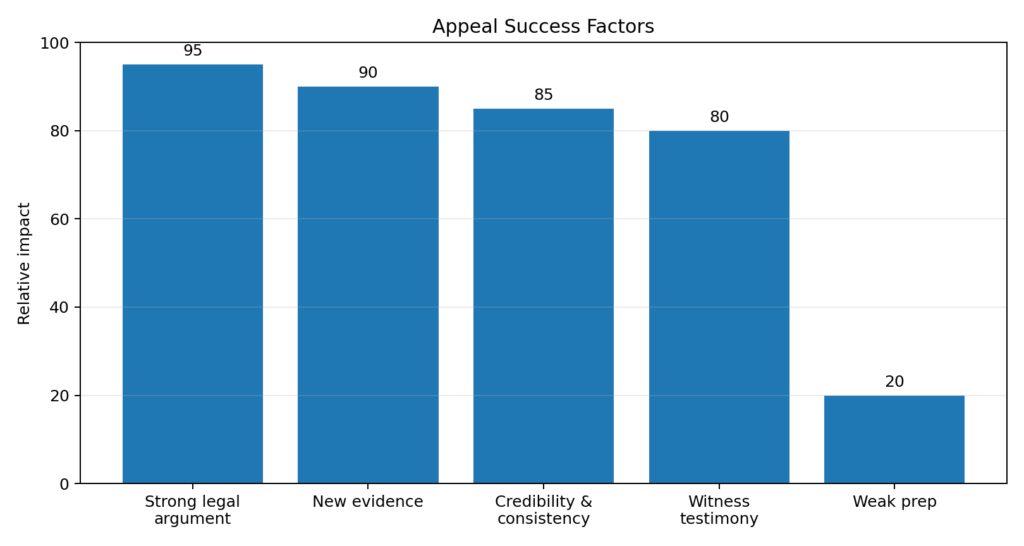
Strong legal arguments, new documentary evidence, credibility, and witness preparation often shape the outcome of an appeal.


Immigration appeals allow individuals to challenge a refusal or removal decision through the Immigration Appeal Division or Federal Court in Canada.

A refused visa to Canada occurs when an application is denied due to reasons such as insufficient documentation, weak ties to the home country, or failure to meet IRCC requirements.

Misrepresentation in Canadian immigration occurs when false or misleading information is provided, which can lead to refusal and a potential five-year ban from entering Canada.